
Birth Flower Tattoo Meaning: What Your Month Really Says About You
Updated: Jul 30

Most people know their zodiac sign. Some know their birthstone. But birth flowers are different.
They're quieter. More personal. And for most people, the moment they find out what their birth flower is — and what it actually means — something clicks.
A birth flower tattoo isn't just a pretty design tied to the month you were born. It's a way of saying: this is something true about me, and I want to carry it.
Find Your Birth Flower by Month
January — Carnation
February — Violet
March — Daffodil
April — Daisy
May — Lily of the Valley
June — Rose
July — Larkspur
August — Gladiolus
September — Aster
October — Marigold
November — Chrysanthemum
December — Narcissus
Why Birth Flower Tattoos Mean Something Different
Floral tattoos have been popular for a long time. But birth flower tattoos sit in a different category.
When someone chooses a rose because it's beautiful, that's one kind of decision. When someone chooses their birth flower — the flower that has been associated with the month they came into the world — that's a different kind of decision entirely. It's not chosen for aesthetics. It's chosen because it already belongs to them.
That's what makes birth flower tattoos so personal. You didn't pick it. It was already yours.
And when you understand what your birth flower actually symbolizes — the traits, the history, the meaning behind it — the tattoo stops being decorative and starts being something you carry with intention.
Every Month Has a Flower — And a Meaning
Here's what each birth flower actually represents, beyond just the name.

January — Carnation. Strength, love, and distinction. Carnations have been used for centuries in ceremonies and rituals — they're one of the oldest cultivated flowers in the world. For people born in January, this flower carries a meaning that doesn't need to announce itself. It simply holds.

February — Violet. Faithfulness, wisdom, and hope. The violet is small and often overlooked — but in the language of flowers, it has always represented deep loyalty and a quiet kind of intelligence. People born in February tend to feel this one deeply.

March — Daffodil. New beginnings, resilience, and the return of light. Daffodils bloom when nothing else does — in the coldest edge of spring, before the season has fully turned. For March birthdays, this is a flower about being the one who shows up first.
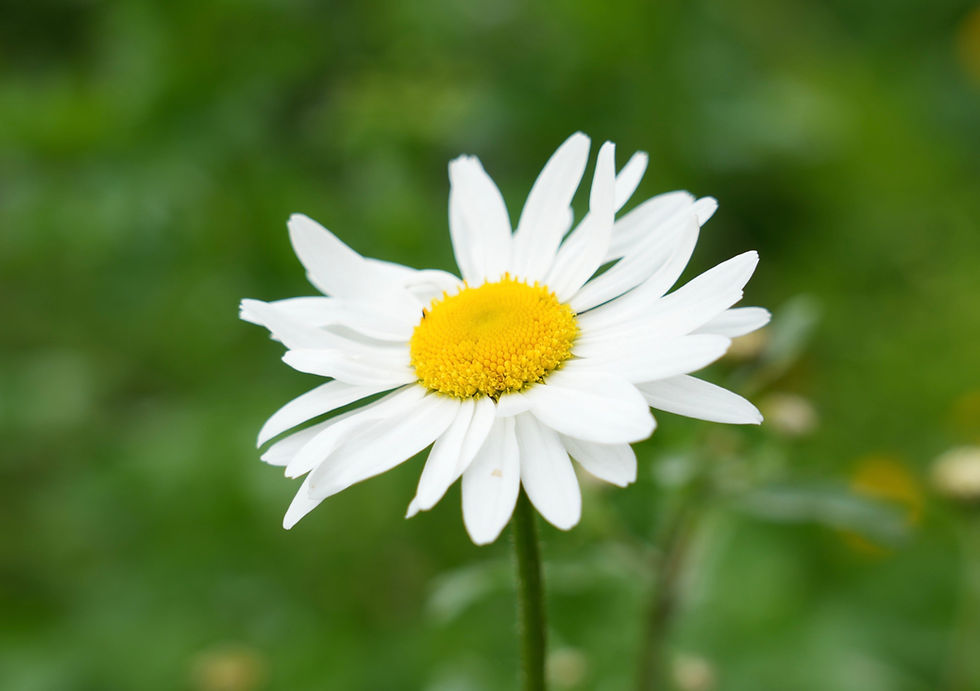
April — Daisy. Innocence, clarity, and new starts. The daisy is one of the most honest flowers there is. No pretense. No complexity. Just a clear, open face toward the light. April birth flower tattoos often come from people who value that kind of directness in themselves.

May — Lily of the Valley. Return of happiness, sweetness, and humility. This flower is delicate but persistent — it spreads quietly, blooms in shade, and returns every year without being asked. May birthdays often resonate with this: the kind of person who shows up reliably, without needing recognition.

June — Rose. Love in all its forms. The rose is the most layered of all birth flowers — its meaning shifts with its colour, its stage of bloom, and its placement. June birthdays carry a flower that has more to say than almost any other. The question is always: which version of the rose is yours?
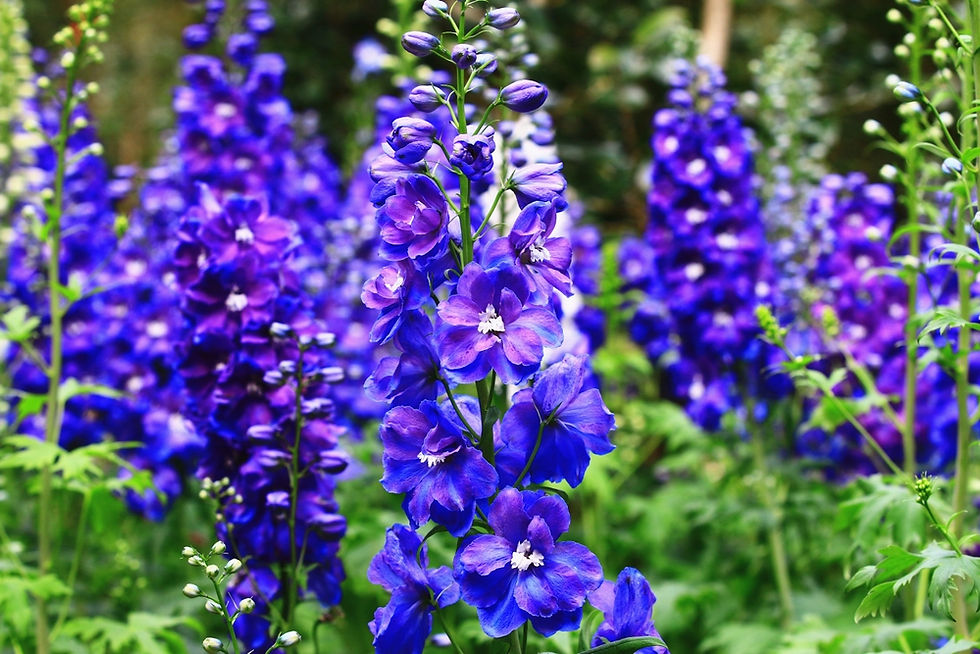
July — Larkspur. Lightness, levity, and an open heart. Larkspur is tall, colourful, and reaches upward. For July birthdays, this flower is about the kind of joy that isn't naive — it's earned, and it's chosen.

August — Gladiolus. Strength of character, integrity, and remembrance. The gladiolus stands tall and doesn't bend easily. August birth flower tattoos often come from people who have been through something — and who want a reminder of what they're made of.

September — Aster. Wisdom, patience, and love that lasts. Asters bloom late in the year, when most other flowers have already gone. September birthdays often identify with this: the one who arrives at the right moment, with depth that took time to develop.

October — Marigold. Passion, creativity, and warmth. Marigolds are vivid, unambiguous, and generous with their colour. October birth flower tattoos tend to come from people who feel things strongly and aren't afraid of it.

November — Chrysanthemum. Longevity, loyalty, and joy in the face of difficulty. The chrysanthemum blooms in autumn — when the light is fading, and most things are closing down. It's a flower about endurance, about finding beauty in the harder seasons.

December — Narcissus. Hope, renewal, and self-reflection. The narcissus blooms in winter, often through snow. December birthdays carry a flower that's about clarity — about knowing yourself well enough to keep moving forward even when conditions are difficult.
Why People Choose Their Birth Flower as a Tattoo
The reasons vary. But a few themes come up consistently.
Some people choose a birth flower tattoo to honour the month they were born — not as a celebration, but as an acknowledgment. This is where I started. This is what I came into.
Some people choose it to honour someone else. A parent born in a different month. A child. A friend who died. Carrying someone else's birth flower is one of the quietest, most personal ways to keep them close.
Some people choose it because the meaning of their birth flower describes something true about them that they've never quite been able to articulate. Reading the symbolism and feeling recognition — that's me — is often where the decision starts.
And some people choose it simply because they want something that was already theirs before they even chose it. In a world where every tattoo decision requires research and deliberation, there's something grounding about a symbol that already belongs to you by birthright.
Combining Birth Flowers With Other Elements

A birth flower tattoo doesn't have to stand alone.
Many people combine their birth flower with a flower from another month — a parent's, a child's, a partner's — to create something that tells a story about connection. Two flowers, different seasons, the same design.
Others add a significant date, a name, or a phrase. The flower becomes the anchor, and the additional elements become the context.
Some people layer birth flowers with other symbols that carry personal meaning — a compass, a butterfly, a specific number. Each element adds a layer without competing with the others, as long as the design is handled carefully.
The most important thing is that every element earns its place. A birth flower tattoo that tries to say too many things at once often ends up saying nothing clearly. The conversation in the consultation is usually about what to leave out, not what to add.
Placement and What It Changes
Where a birth flower tattoo lives on the body affects how it feels to wear it.
A small birth flower on the inner wrist is seen constantly — a quiet daily reminder. On the collarbone, it's visible in some clothes and hidden in others. Behind the ear, it's almost entirely private. On the forearm or shoulder, it's part of how you present yourself to others.
There's no correct placement. But the choice should be made deliberately, because the location shapes the relationship you have with the tattoo over time. Some people want to see it every day. Others want it to be something they know is there, even when it isn't visible.
What the Consultation Actually Looks Like

A birth flower tattoo consultation at Hon Tattoo starts with the meaning, not the design.
We want to understand what the flower means to you — whether it's your own birth month, someone else's, or a combination. We want to know if there are other elements that belong in the design, and if so, why.
From there, the design process is about finding the visual language that matches the emotional weight of what you're trying to say. A carnation that represents strength looks different from a carnation that represents a mother who passed. The flower is the same. The intention shapes everything else.
We don't have a standard birth flower template. We build something specific to you.
If You Already Know Your Flower
Then you're further along than you think.
Most people who research birth flower tattoo meanings already have a sense of what they want to say. The design question usually follows naturally from the meaning question — once you know why, the what becomes clearer.
When you're ready to have that conversation — not to commit immediately, just to talk it through — we're here for that.

Birth Flower Tattoo Meaning FAQ

What is my birth flower tattoo?
Your birth flower tattoo is based on the flower traditionally tied to your birth month, each carrying its own meaning, from love and remembrance to strength and new beginnings.
Can I combine my birth flower with another symbol?
Yes. Birth flowers pair naturally with initials, a birthstone shape, a small date, or another meaningful symbol, and your artist can help balance the composition so nothing feels crowded.
Does placement affect the birth flower design?
Yes. Placement affects how much detail the design can hold and how it reads over time, so it's worth reviewing placement before finalizing size.
How big should a birth flower tattoo be?
It depends on the level of detail you want. A simple single-stem design can work small, while a fuller bouquet or added symbols usually needs more space to stay clear as it heals.
Can two birth flowers be combined for a couple or family tattoo?
Yes, this is a common request. Two or more birth flowers can be arranged together in one composition to represent family members or a relationship.
Are birth flower tattoos only done in fine line?
No. Fine line is popular, but birth flowers can also work well in blackwork, illustrative, or micro realism styles depending on the flower and the effect you want.
Which birth flowers are hardest to tattoo small?
Flowers with clustered petals, tiny bells, or layered structures can be harder to keep clear at a very small size. Lily of the valley and dense bouquet compositions are common examples.
Fine Line Artists Who Bring Birth Flowers to Life
If you're ready to turn your birth flower into a tattoo, HON's fine-line artists can help:
Anu — @anu.tattoo (North York)
Jennifer — @jennyi.tattoo (North York)
Winnie — @winniec_tattoos (Vaughan)
Sarah — @sarahstarz.tattoo (Downtown)
Anji - @anjartistry
Related Reading
Visit Hon Tattoo Studio
Downtown Toronto202 Queen St W, 2nd Floor, Toronto, ON M5V 1Z2
(437) 533-7749 / Hontattoovaughan@gmail.com
North York6293 Yonge St, North York, ON M2M 3X6
(905) 604-5102 / Hontattoostudio@gmail.com
Vaughan9671 Jane St Unit 4, Vaughan, ON L6A 3X5
(416) 728-8922 / Hontattoodowntown@gmail.com
Website: hontattoo.com
Instagram: @hontattoostudio
Also, if you click the button below and send us your tattoo-related questions, we'll do our best to provide you with accurate answers.


