
Tattoo Placement Regret: How to Choose a Spot That Still Makes Sense on Your Body and Your Life
- hontattoostudio
- Jul 13
- 6 min read
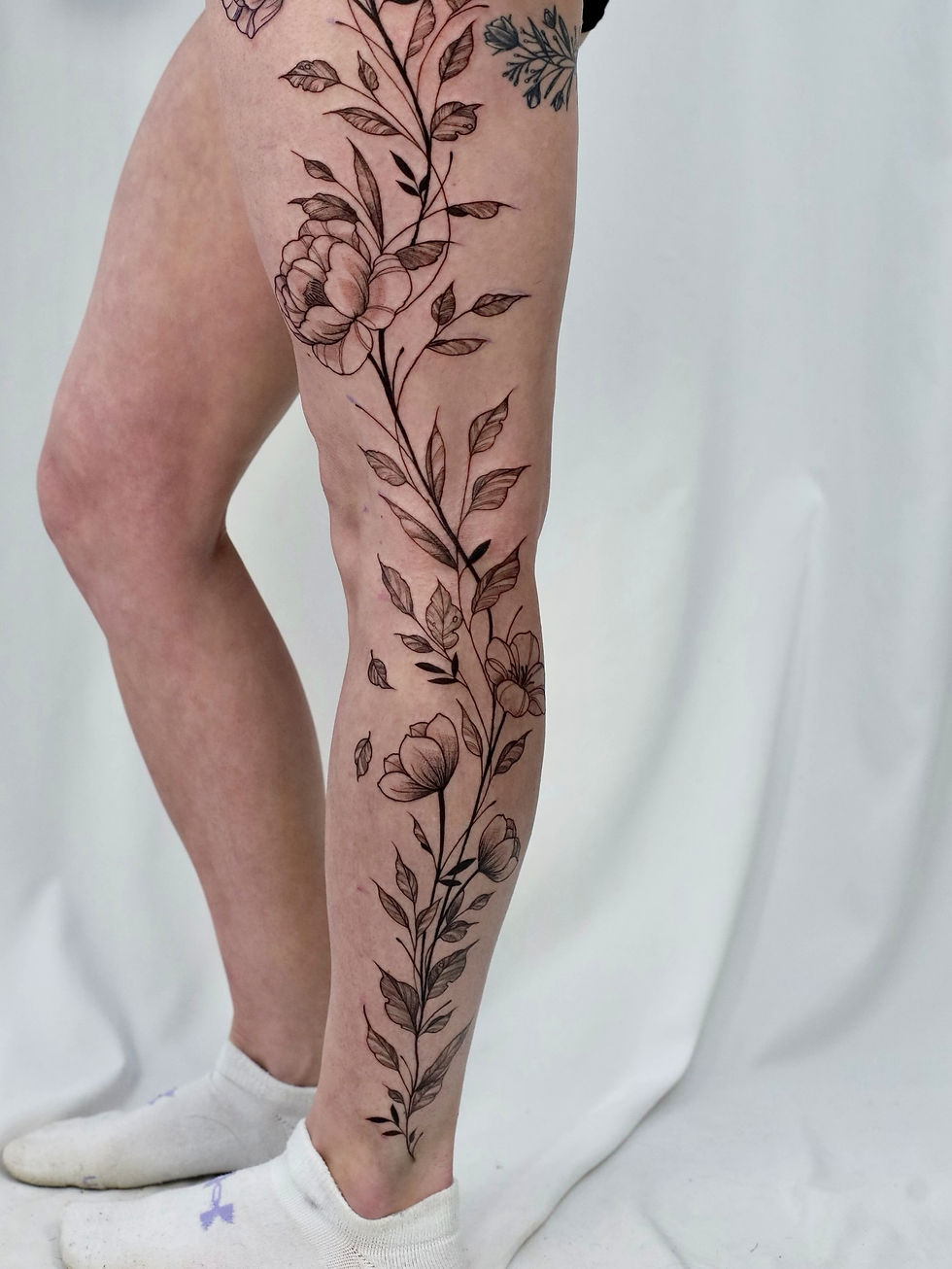
You saved the reference photo months ago. The placement looked exactly right on that arm, that shoulder, that collarbone. But that arm was not yours, and neither is the life it moves through every day.
Tattoo placement regret rarely starts with a bad design. It starts earlier, when a spot gets chosen because it looked good in someone else's photo, without checking whether it fits your own body shape, your daily movement, or how visible you actually want it to be. By the time the idea has been sitting for months, placement is often the quiet reason it keeps getting delayed.
This is not a pain guide or a healing guide. It is about the decision that happens before either of those matters: whether the placement you are picturing will still make sense on your body a year from now, five years from now, and every ordinary day in between.
Below is the framework we walk clients through before any stencil goes on skin, so the decision gets made with real context instead of a borrowed photo.
Why Placement Regret Usually Isn't About the Design
Most people who feel unsettled about a healed tattoo still like the design itself. What bothers them is where it sits: it folds oddly when they bend their arm, it peeks out from a sleeve they didn't expect, or it just doesn't sit the way it did in the reference photo.
That gap between "I love this design" and "I'm not sure about where it is" is the clearest sign of a placement problem, not a design problem. Design regret usually shows up as wanting a different image entirely. Placement regret shows up as wanting the same image somewhere else.
This distinction matters because the fix is completely different. A design problem needs a new concept. A placement problem needs a better placement conversation before the appointment, not after.
The Four Factors That Change How a Placement Actually Reads

A reference photo shows one static moment. Your body is not static, and neither is your life. Four factors consistently change how a placement reads once it is real and healed, rather than a photo on a screen.
Body shape is the first. A design drawn for a straight, flat reference limb may need to bend, taper, or shift proportion to sit naturally on your own curves, whether that is a bicep, a ribcage, or a calf.
Movement is the second. A placement that looks composed in a still photo can stretch, fold, or distort with normal motion: a bent elbow, a raised arm, a seated position. Some designs are built to move with the body. Others were never meant to.
Visibility is the third. The same spot can be constantly visible in one wardrobe and job, and almost always hidden in another. What you pictured as "always seen" or "easy to cover" depends entirely on your actual daily clothing, not an assumption made while scrolling.
Daily life is the fourth. Gym straps, work uniforms, watch bands, and repeated motion at a desk or on a job site all interact with certain spots more than others. A placement that is frictionless for one routine can be a daily irritation for a different one.
Why a Reference Photo on Someone Else's Body Doesn't Guarantee the Same Result on Yours
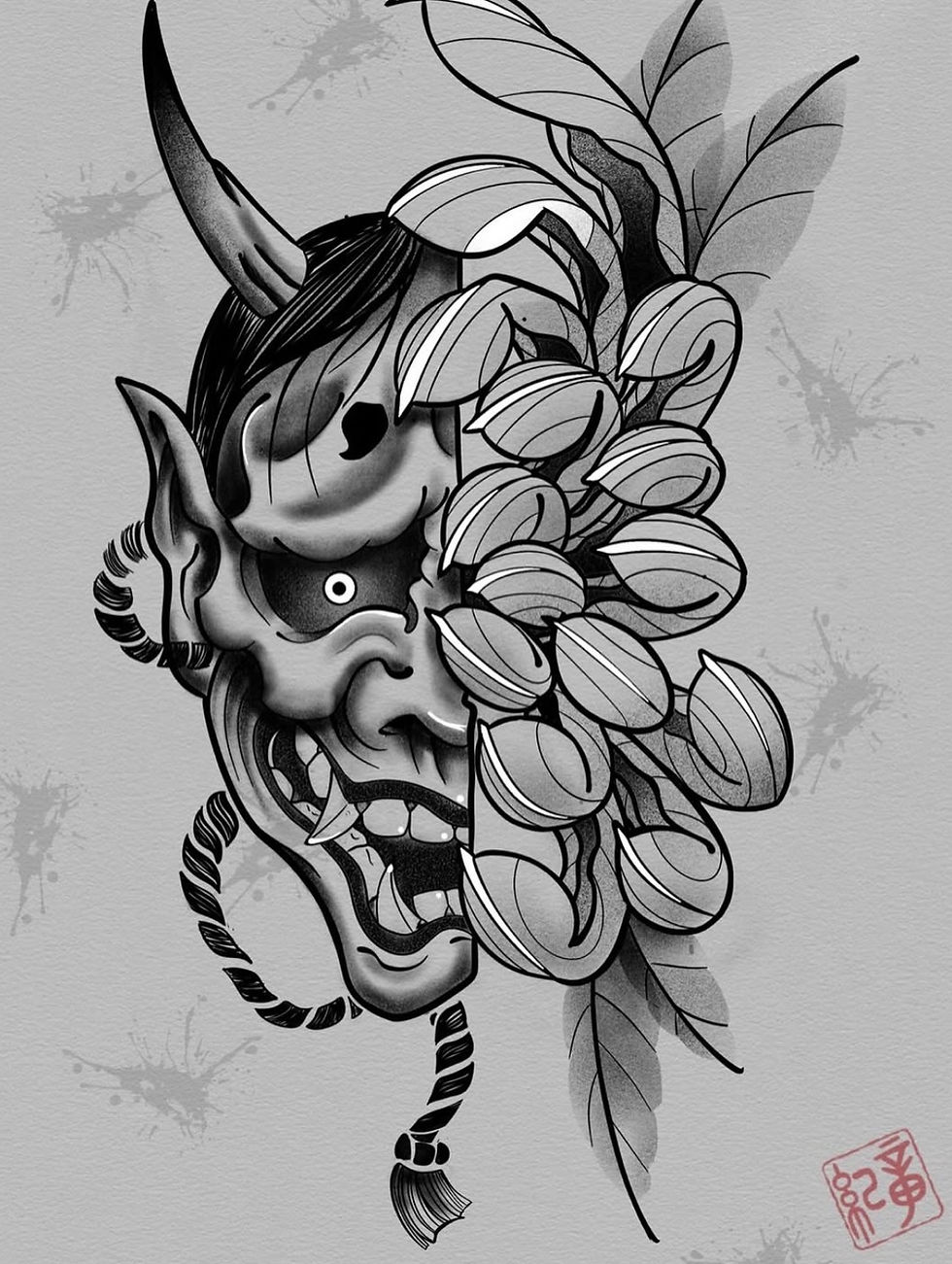
Reference photos are useful for style, line weight, and overall composition. They are not reliable evidence for how a placement will behave on a different body.
The person in that photo has their own proportions, their own skin tone and texture, their own range of motion, and their own daily habits. When all four line up in your favour, the placement can translate closely. When even one is different, such as a shorter or longer limb, a different amount of natural curve, or a job that involves far more repetitive movement, the result on you can read differently even with an identical design.
This is not a reason to abandon the reference. It is a reason to treat it as a starting point for a conversation, not a guarantee of the outcome, and to check it against your own body before committing.
How a Placement Consultation Works at HON Before Any Stencil Goes on Skin
Before any tattooing begins, the placement gets checked against your actual body, not just the reference image. That means looking at how the design will sit across your specific curves, testing how it holds up when you move naturally, not just when you stand still, and being direct about what will realistically be visible or hidden given your day-to-day clothing and routine.
This step exists because placement is one of the few parts of the decision that is genuinely easy to adjust before the first line, and genuinely difficult to change afterward. A stencil can move half an inch, straighten, or resize in the moments before your session starts. Once the tattoo is finished, that same adjustment is a much bigger conversation.
The goal of this conversation is not to slow you down. It is to make sure the placement you commit to is the one that will still make sense on your body next year, not just in the reference photo you saved.
Placements That Commonly Get Reconsidered Later, and Why

Certain spots come up more often in placement conversations, not because they are wrong, but because they interact heavily with movement or visibility in ways that are easy to underestimate from a photo.
Inner forearm and wrist placements can shift visibility more than expected, since they move between constantly seen and easily covered depending on sleeve length and daily gestures. Rib and side placements can distort more noticeably with breathing and bending than a still photo suggests. Placements near joints, such as the inside of the elbow or the back of the knee, fold significantly with normal movement, which changes how linework and detail read once healed.
None of this means these spots should be avoided. It means they deserve a direct conversation about how they move and how visible they will actually be for your life, rather than being decided purely from how they looked in someone else's photo.
What to Bring to Your Consultation So Placement Gets Decided With Real Context
A more useful placement conversation starts with a few honest answers, not more reference photos. Come ready to talk about how visible you actually want this to be day to day, whether that is a workplace, a uniform, or your own comfort with being seen.
Mention your regular movement: a desk job, physical work, gym routines, or sports that involve the area you are considering. Be upfront about anything that touches that part of your body often, from watch bands to backpack straps to repetitive motion at work.
None of this is information your artist assumes about a reference photo. It is information only you have, and it is exactly what turns a placement decision from a guess into a fit.
Frequently Asked Questions About Tattoo Placement Decisions in Toronto
Q: Why do people regret their tattoo placement even when they love the design?
A: They regret the spot, not the artwork. This usually happens when placement is chosen from a reference photo without checking it against their own body shape, movement, and daily visibility, so the design ends up sitting differently than expected once it is real.
Q: How do I know if a placement will still look right as I move or get older?
A: Test it against motion, not just a still pose. A placement that holds up well tends to sit naturally whether your arm is bent or straight, whether you are sitting or standing, and it follows your body's natural lines rather than fighting them.
Q: Can visible vs. hideable placement be changed after I've already decided on a design?
A: Yes, in most cases the same design can shift to a spot that is more visible or more easily covered, as long as this is discussed before the stencil is finalized. Adjusting for visibility becomes far more limited once the tattoo is complete.
Q: Does body shape actually change how a tattoo design should be placed?
A: Yes. A design drawn for a flat reference image often needs its proportions or angle adjusted to follow your own curves, whether that is a bicep, a ribcage, or a calf, so it reads naturally on your specific body rather than looking stretched or misaligned.
Q: What should I tell my artist so they can help me choose the right placement?
A: Tell them how visible you want the piece to be day to day, what your regular movement and routine look like, and anything that regularly touches that area, such as work uniforms, straps, or repetitive motion. This gives them the real context a reference photo cannot.
If placement has been the reason you keep delaying your tattoo idea, message us. We'll walk through body shape, movement, and visibility with you before anything is decided.
Hon Tattoo Studio has locations in Downtown Toronto, North York, and Vaughan. Wherever you book, every consultation includes a placement check against your own body and movement before any stencil is finalized, so the spot you choose still makes sense on you next year, not just in the photo you saved.
Visit Hon Tattoo Studio
Downtown Toronto
202 Queen St W, 2nd Floor, Toronto, ON M5V 1Z2
(437) 533 7749 - hontattoodowntown@gmail.com
North York
6293 Yonge St, North York, ON M2M 3X6
(905) 604 5102 - hontattoostudio@gmail.com
Vaughan
9671 Jane St Unit 4, Vaughan, ON L6A 3X5
(416) 728 8922 - hontattoovaughan@gmail.com
Website: hontattoo.com
Instagram: @hontattoostudio
Also, if you click the button below and send us your tattoo-related questions, we will do our best to provide you with accurate answers.


