
Reference Photo Guide For Tattoo In Toronto Downtown, Vaughan and North York
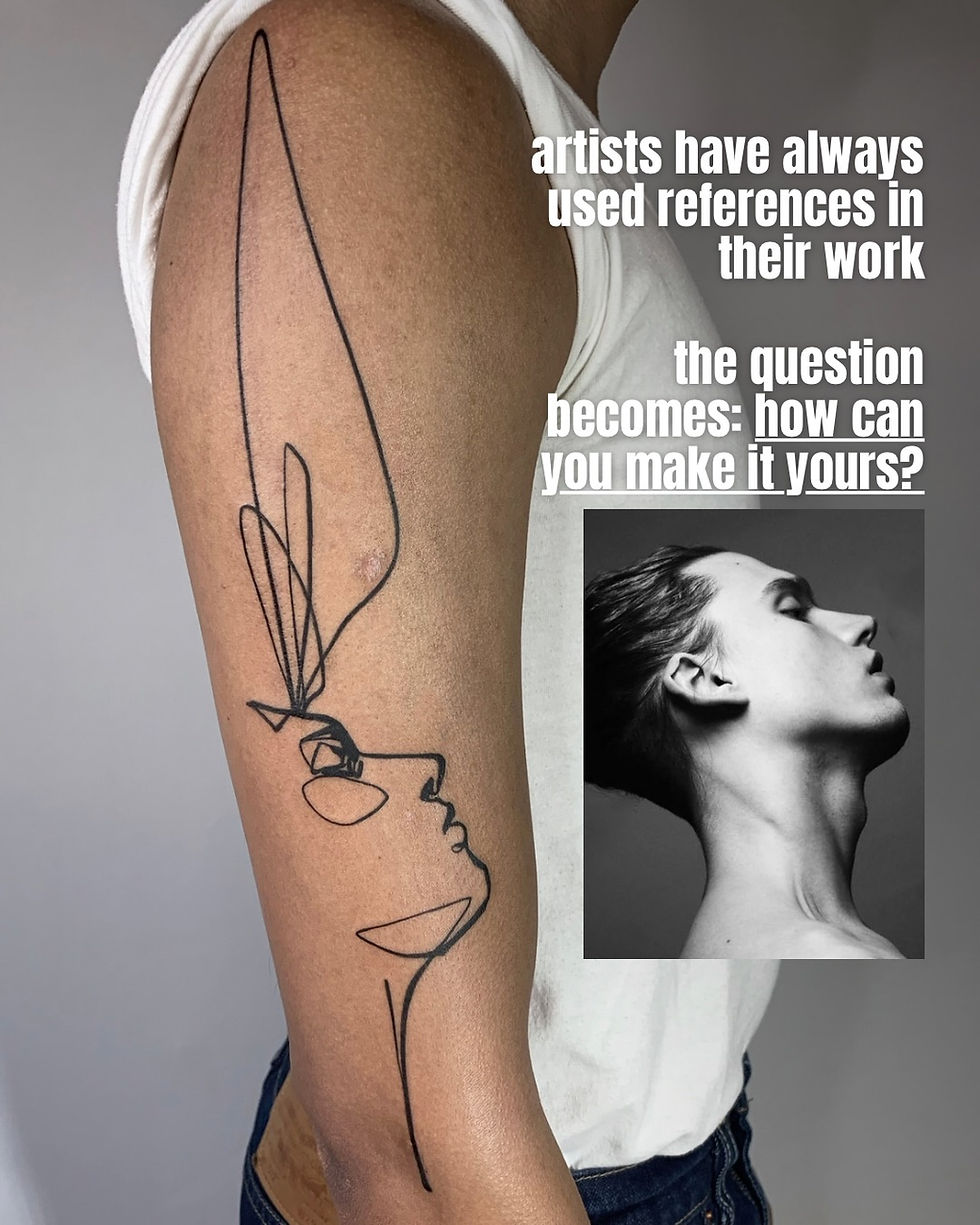
What should you confirm before booking a tattoo based on reference photos?

Before you book, confirm five things: what parts of the reference are essential, where the tattoo will go, how large it needs to be to read properly, which artist actually suits the style, and what can change during the design process. Good reference photos help an artist quote and advise faster, but they are not a blueprint to copy exactly. The goal is to show direction clearly enough that the artist can build a tattoo that works on skin, not just on a screen.
What should be clear before the appointment?
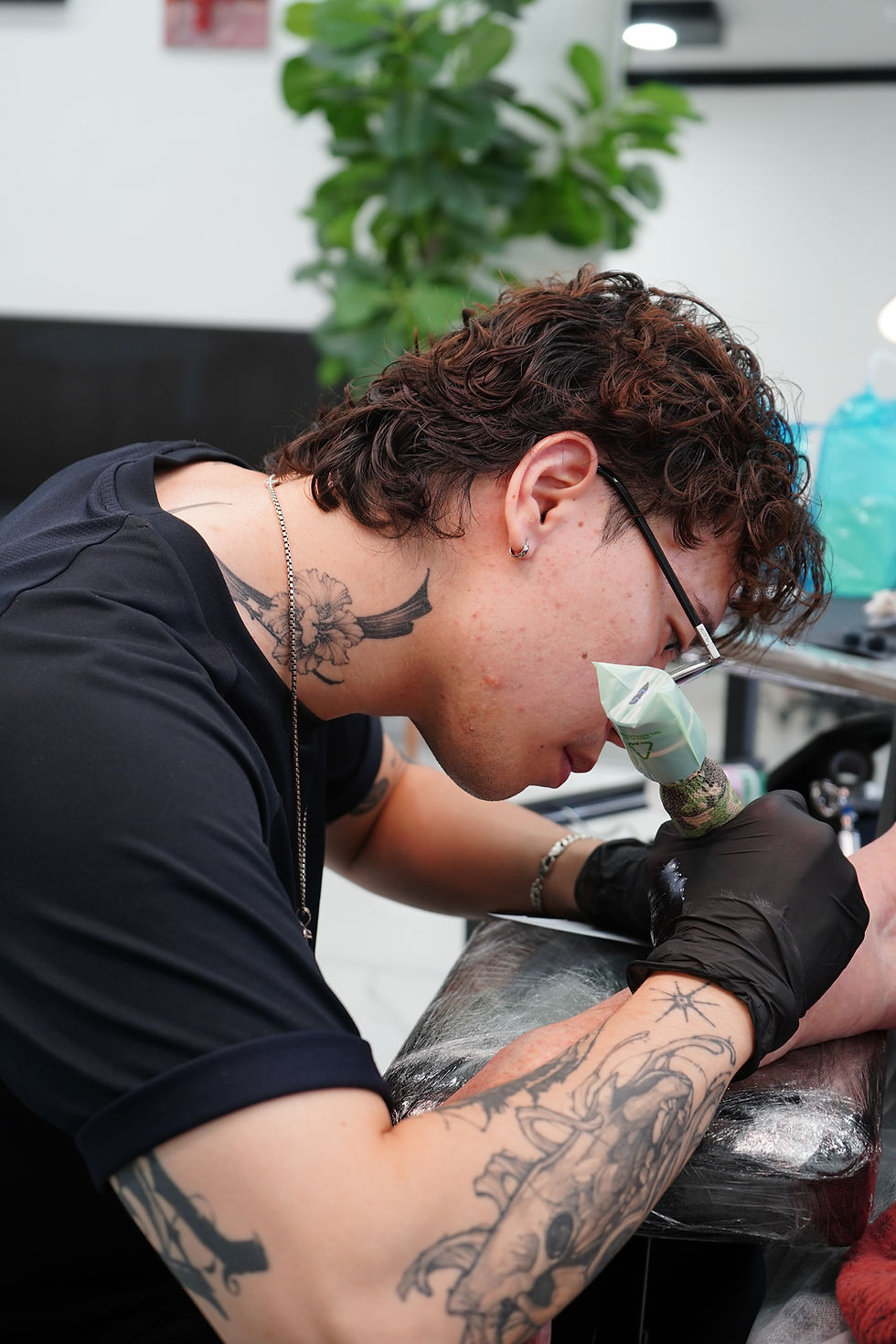
You should be able to explain the idea in one or two plain sentences before sending references. If you cannot describe the tattoo simply, the consultation usually becomes slower and less accurate.
A strong reference package usually includes:
- one image for overall mood or composition
- one image for the style you like
- one image for a specific detail you want included
- a note on what you do not want
That last part matters more than many clients expect. If you like the softness of one image but dislike the heavy shading, say so. If you like the subject matter but not the exact pose, say that too. Artists use references to identify priorities. Without priorities, they are left guessing which parts are negotiable.
The fastest way to get a useful response is to separate concept from execution:
- Concept: snake, peony, memorial handwriting, tiger, ornamental band
- Execution: fine line, blackwork, colour realism, Japanese, illustrative
If those two are mixed together unclearly, the artist may need to ask several rounds of follow-up questions before they can recommend size, placement, or artist fit.
How should placement and size be decided?
Placement and size should be decided together, because a tattoo that looks good at one scale may fail at another. Most design problems are not really design problems; they are size-and-placement problems.
For example, a reference might look delicate on a phone screen, but if it includes tiny textures, multiple layers, or realistic facial features, it may need more space than the client expects. A forearm, rib, calf, upper arm, and sternum all present different limits for readability, symmetry, and healing.
A careful client should confirm:
- the exact body area, not just “arm” or “leg”
- whether the tattoo should face the wearer or the viewer
- whether it needs to wrap, sit vertically, or stay centred
- whether the design must remain subtle at a distance or detailed up close
Small tattoos often fail when the reference relies on:
- very fine texture
- multiple overlapping elements
- tiny lettering
- realistic eyes, hands, or faces
- high contrast packed into a very small area
Larger is not always better, but there is usually a minimum size below which the design stops reading cleanly. A professional recommendation should protect the tattoo’s long-term legibility, not just make the stencil fit.
What should the consultation resolve?

A good consultation should resolve the practical decisions, not just confirm that the idea is “cool.” By the end, you should know whether the concept is technically suitable, whether the references support the right style, and whether the artist is the right person to execute it.
At minimum, the consultation should clarify:
- the main subject and supporting elements
- the intended style
- approximate size range
- placement options
- black and grey versus colour
- what details may need to be simplified
- whether the artist will reinterpret rather than reproduce the reference
If the consultation ends with only a vague promise to “figure it out on the day,” that is usually not enough for a permanent piece with specific expectations. Some flexibility is normal, but the client should still leave with a realistic understanding of what will translate well to skin.
This is also where expectation alignment matters. A client may send a highly edited social-media image with fresh, bright, ultra-fine detail and assume the healed tattoo will look identical. A responsible artist should explain what is achievable in the chosen style, at the chosen size, on the chosen body part.
Professional Perspective: how we evaluate reference photos
An experienced tattoo professional does not judge references by how attractive they look online. We judge them by whether they communicate a tattooable direction.
The first question is design clarity. Is the client showing the subject, the style, the composition, or all three? If one image is trying to do everything, it often creates confusion. Clearer references let us identify what is essential and what is just inspiration.
The second question is placement. Skin is curved, mobile, and different in visibility from one area to another. A design that works as a flat image may need to be opened up, simplified, or rebalanced for a shoulder, inner forearm, spine, or thigh.
The third question is size. We look at the smallest important detail and ask whether it can survive over time. If the answer is no, the options are to enlarge the piece, simplify the detail, or change the style.
The fourth question is artist fit. A reference should lead to the right specialist, not just the first available appointment. Japanese work, fine line, blackwork, realism, and illustrative tattoos all ask for different strengths. A good match improves both the design process and the final result.
The fifth question is expectation alignment. If the client wants the softness of micro realism, the boldness of blackwork, and the detail density of a large realism piece in a very small tattoo, those goals conflict. Part of professional guidance is identifying those conflicts early so the client can choose what matters most.
What could change the final recommendation?
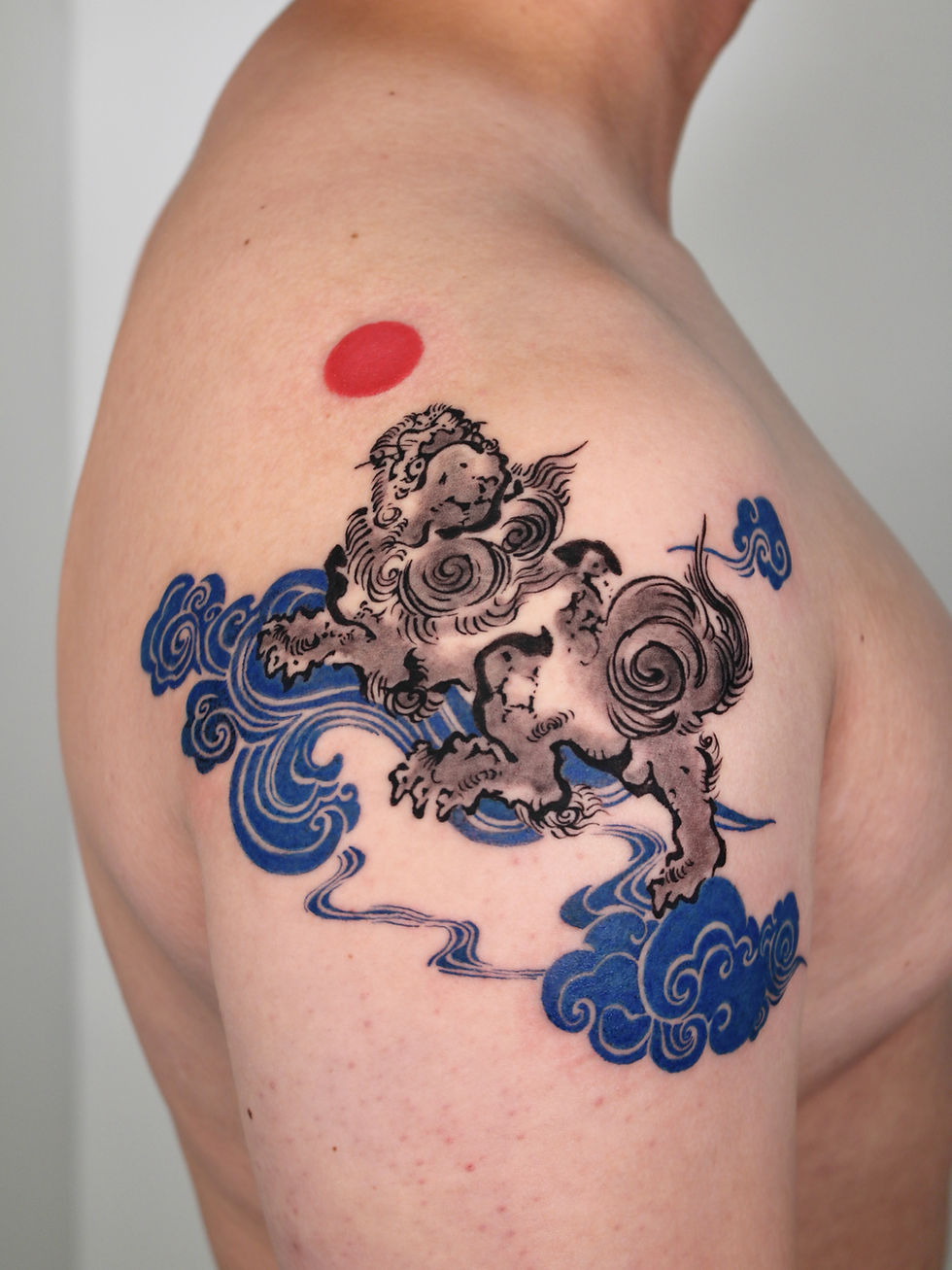
The final recommendation can change if the references are strong but the requested body area, scale, or style creates technical conflict. That is normal and often a sign that the artist is thinking properly.
Common reasons for a revised recommendation include:
- the chosen placement being too narrow or curved for the composition
- the requested size being too small for the amount of detail
- the style in the reference not matching the subject well
- the client combining references from very different tattoo approaches
- the need to adjust contrast so the tattoo ages more clearly
For instance, a client may bring a soft photographic reference but prefer the longevity and readability of stronger blackwork. Or they may want a realistic portrait in a size better suited to micro realism than full portrait detail. In those cases, the recommendation should change to protect the outcome.
A careful client should not treat changes as a red flag by default. The better question is: does the change solve a real tattoo problem? If yes, it is usually useful guidance.
What should you avoid rushing?
Do not rush the parts that are hardest to reverse later: style choice, artist choice, and size. Those decisions shape the tattoo more than the exact reference image.
Clients often rush in three situations:
- they want a quote quickly and send unclear screenshots
- they are attached to a tiny size before hearing technical advice
- they choose an artist based on availability rather than fit
If you want a faster and better response, send references with a short note like this:
- subject: what the tattoo is
- style: how you want it interpreted
- placement: exact body area
- size: approximate dimensions
- must-have elements: 1 to 3 priorities
- avoid: anything you do not want included
That format helps the artist answer the real booking question: not just “can this be tattooed,” but “what version of this idea will work best on your body?”
Related Styles
The style in your references affects what advice you should trust most. Useful style directions to compare include:
Related Articles
Suggested internal links:
Frequently Asked Questions Reference Photo Guide Tattoo Toronto
How many reference photos should I send for a tattoo idea?
Three to five good reference photos is usually enough. That amount gives the artist a clear direction without burying the important details under too many mixed signals. Include images for style, subject, and any must-have detail, then add a short note explaining what you want taken from each one.
Can I ask a tattoo artist to copy my reference photo exactly?
No, you should expect interpretation rather than exact copying. Reference photos are meant to show direction, composition, mood, or specific details, but the final tattoo still needs to be adjusted for skin, placement, size, and the artist’s approach. A better request is to explain what parts of the reference matter most.
What information should I send with my tattoo references?
You should send the subject, style, exact placement, approximate size, and your top priorities. That information helps the artist judge whether the idea will work as shown or needs changes. It also makes it easier to recommend the right artist and give a more accurate next step.
Why do artists sometimes recommend a larger size than I asked for?
Artists recommend a larger size when the important details will not read clearly at the smaller scale. This usually happens with realism, tiny lettering, layered compositions, or designs with fine texture. The goal is not to upsell size; it is to keep the tattoo legible and balanced over time.
Should I choose the artist before I finalize my references?
Yes, artist fit should be considered early because style changes what references are useful. A realism artist, a blackwork artist, and a Japanese artist may all respond differently to the same concept because they solve design problems in different ways. Choosing the right specialist early usually leads to clearer advice and a better final design.
If you are gathering references now, the best next step is to narrow them down to the few images that actually show your priorities, then bring those into a consultation with the artist whose style matches the direction you want.
Visit Hon Tattoo Studio
Downtown Toronto
202 Queen St W, 2nd Floor, Toronto, ON M5V 1Z2
(437) 533 7749 - hontattoodowntown@gmail.com
North York
6293 Yonge St, North York, ON M2M 3X6
(905) 604 5102 - hontattoostudio@gmail.com
Vaughan
9671 Jane St Unit 4, Vaughan, ON L6A 3X5
(416) 728 8922 - hontattoovaughan@gmail.com
Website: hontattoo.com
Instagram: @hontattoostudio
Also, if you click the button below and send us your tattoo-related questions, we will do our best to provide you with accurate answers.


